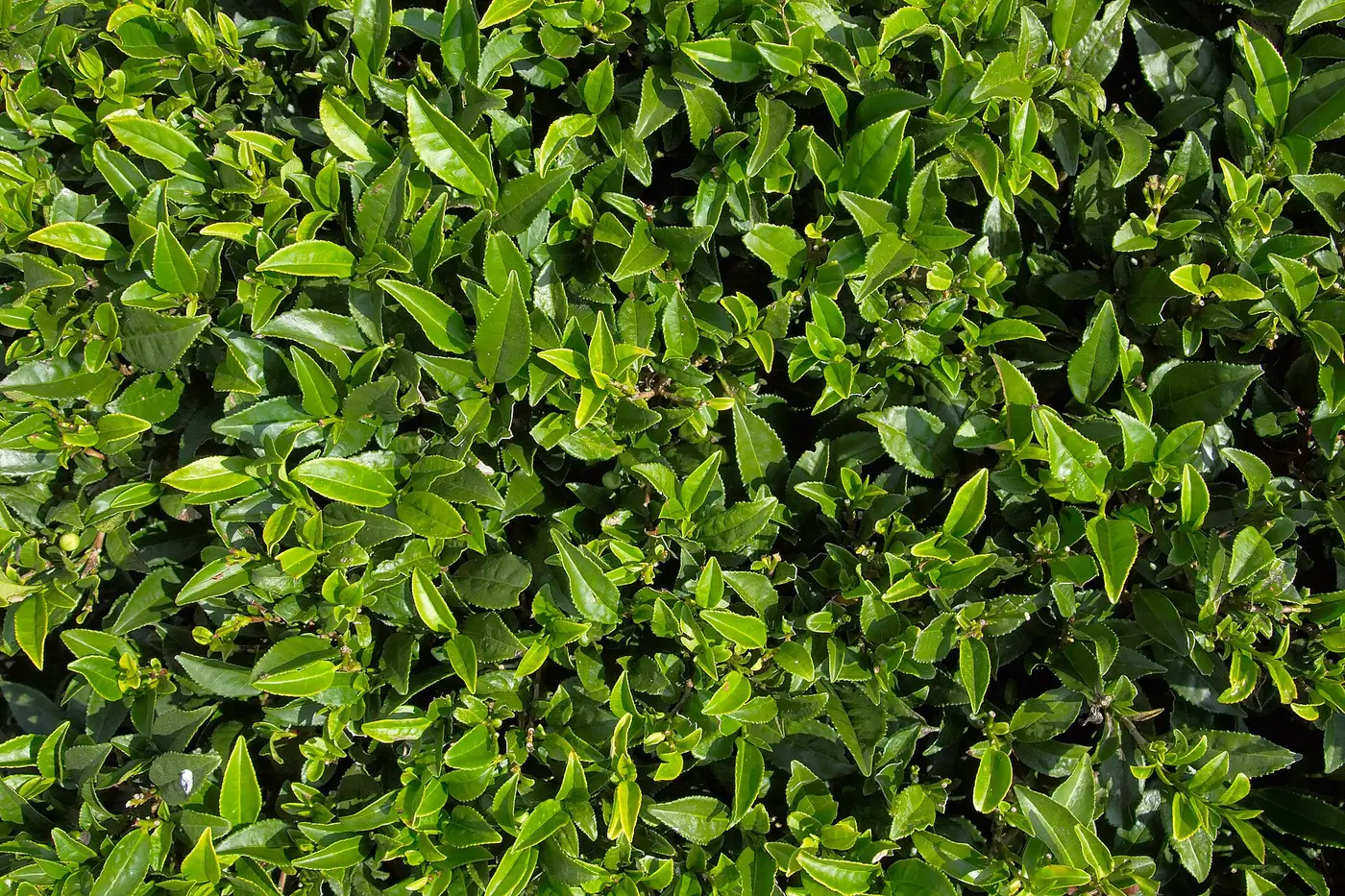

Darjeeling bushes go almost dormant in the cold, dry winter (roughly late November to February). When spring warmth and rain arrive they push out new shoots. Pickers return to the same bushes every few days through the season, and the character of the leaf changes from month to month. Tea people divide the year into flushes:
| Flush | Roughly when | Cup | Flavour |
|---|---|---|---|
| First flush | Late Feb/March – April | Pale gold, bright | Floral, green, citrus, flinty; brisk |
| In-between | Late April – May | Gold-amber | Transition: floral with more body |
| Second flush | May – June | Amber to copper | Muscatel, ripe fruit, rich and rounded |
| Monsoon (rains) | July – September | Dark, strong | Bold, plain; mostly for blends & bags |
| Autumnal | October – November | Coppery-red | Mellow, woody, nutty, sweet |
First flush
The first flush is the most anticipated tea of the year. After winter dormancy the bush has stored up nutrients, and the first tender shoots are aromatic and full of character. The made leaf is a lively mix of green, brown and silvery tips. Many first flushes are lightly oxidised, so the cup is pale and the taste can sit halfway between green tea and black.
- Tastes like: spring flowers, green apple, apricot blossom, citrus peel, fresh-cut grass, sometimes a mineral, flinty finish.
- Mouthfeel: light-bodied with a crisp, clean astringency.
- Brew it: slightly below boiling (85–90 °C), about 3 minutes. See the brewing guide.
- Drink it: fresh. It is at its best in the first 6–12 months.
The first invoices of the year, often called "EX-1" or early lots, can fetch very high prices from buyers in Germany and Japan who compete to be first to market.
Second flush
For many connoisseurs this is classic Darjeeling. In early summer the leaf is fuller and darker, and the factory takes oxidation further. The dry leaf is dark brown with golden tips, and the cup glows amber-copper.
The prized muscatel flavour, a sweet, musky, grape-like aroma, is most associated with second flush. Its development is linked to small sap-sucking insects, notably the tea green leafhopper (jassid) and thrips. When they feed, the plant releases defensive aroma compounds such as terpene alcohols (linalool, geraniol, hotrienol). Read more in the tasting guide.
- Tastes like: muscat grape, ripe peach, dried fruit, honey, a light toast.
- Mouthfeel: medium body, smooth, with gentle astringency.
- Brew it: 90–95 °C, 3–4 minutes.
- Keeps: better than first flush; well stored, it stays good for 1–2 years.
Monsoon (rains) flush
Heavy monsoon rain from July to September makes the bushes grow fast and the leaf large and watery. The tea is darker, stronger and less nuanced. Most of it goes into blends, teabags and iced tea, and it is typically the best-value Darjeeling. It takes milk better than other flushes.
Autumnal flush
After the rains, cool, clear autumn days slow growth again and bring back some concentration. Autumnals are coppery and smooth, with woody, nutty, caramel and sometimes spicy notes, and little bitterness. They are underrated, good value and forgiving to brew. They make an excellent everyday Darjeeling, and some drinkers enjoy them with a splash of milk.
Which flush should you choose?
- You like green tea, white wine or floral aromas: start with first flush.
- You like classic black tea but want more nuance: second flush.
- You want a smooth, mellow, everyday cup: autumnal.
- You want strength for milk or iced tea: monsoon or a Darjeeling blend.
Buy small samples of first, second and autumnal flush, ideally from the same estate, and taste them side by side. It is the fastest way to "get" Darjeeling.
Questions & answers
What is the difference between first flush and second flush Darjeeling?
First flush is picked in spring (roughly March–April) and is light, floral and greenish. Second flush is picked in early summer (May–June), is more oxidised, darker and fuller, and carries the famous muscatel grape note.
Which Darjeeling flush is best?
None is objectively best. First flush is prized for freshness and floral aroma, second flush for muscatel depth and body. Autumnal flush is mellow and good value.
When is Darjeeling first flush harvested?
Usually from late February or March through April, depending on altitude and the timing of spring rain.
What does muscatel mean in Darjeeling tea?
Muscatel describes a sweet, musky, grape-like aroma resembling muscat grapes, most typical of second flush Darjeeling. It is linked to insect feeding on the leaves, which triggers aromatic compounds.